
World Cup 2026: More than Just Football
The 2026 World Cup promises to be a spectacle for not only sports fans but also tech enthusiasts. With AI, 3D player models, smart balls, and even robot dogs, FIFA is ready to surprise us. But what does this have to do with education? More than you might think.
High Tech at the World Cup
FIFA has announced that the 2026 World Cup in Mexico, the U.S., and Canada will integrate advanced technologies such as 3D player avatars for VAR decisions, sensor-equipped balls tracking every move, and even robot dogs ensuring security. The use of virtual realities and referee cameras promises an immersive experience for fans.
Impact on Education: A Classroom Revolution
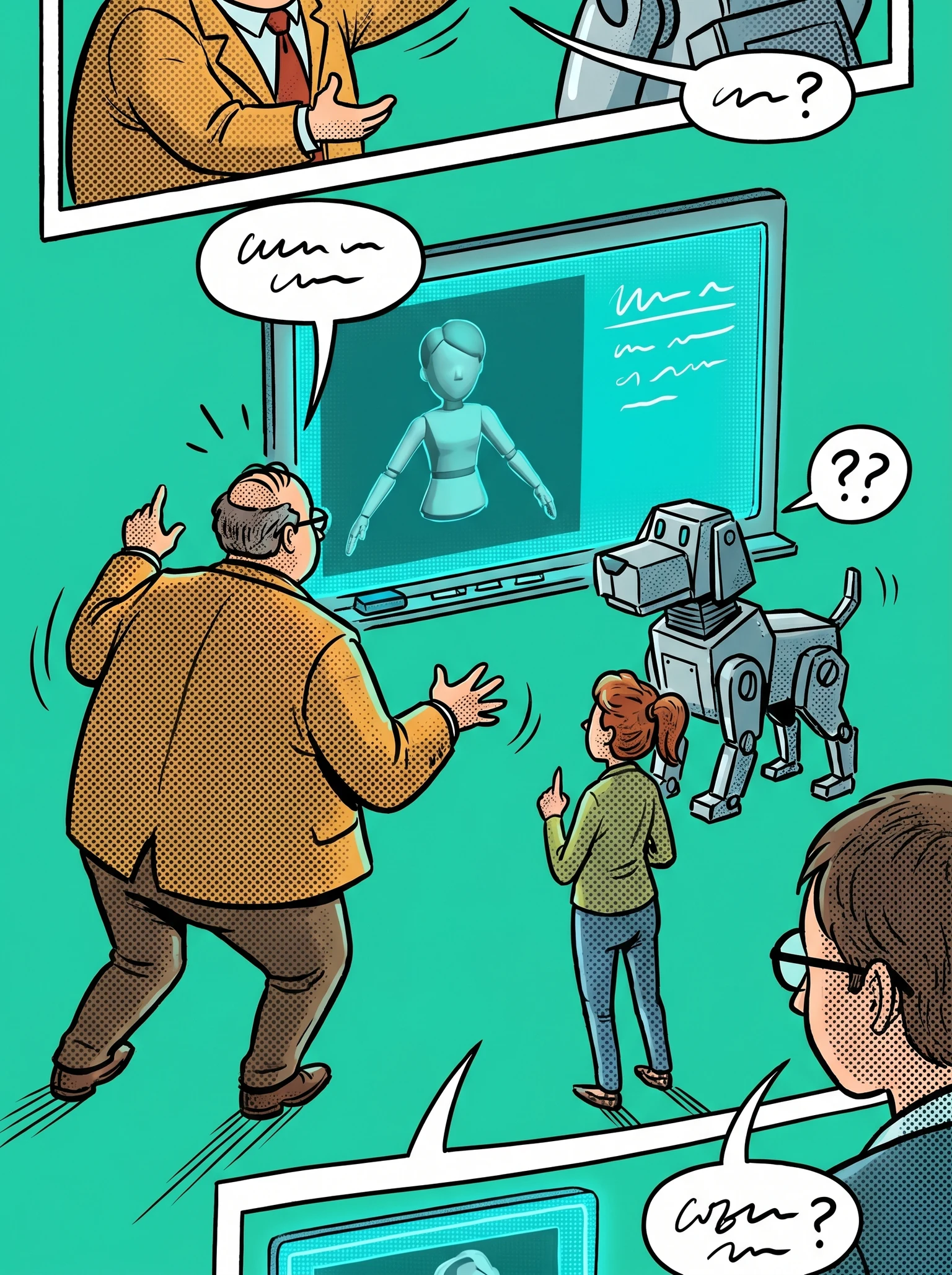
Imagine a history class where students can "witness" historical events in virtual reality. Or a biology lesson with interactive 3D models allowing exploration of the human body. World Cup technologies can translate into more dynamic, effective learning.
- 3D Models: Educational institutions can use 3D avatars to teach anatomy or architecture vividly and in detail.
- Virtual and Augmented Reality: As fans enjoy detailed replays, students can experience historical events or explore complex environments in VR.
- Automation and AI: AI tools could personalize learning, tailoring content to each student's individual needs.
How We Apply This at TEEM
At TEEM, we specialize in developing custom tech solutions. We can create educational platforms that integrate these technologies, tailoring them to each institution's specific needs. From interactive simulations to personalized learning systems, our focus is on transforming education with artificial intelligence and automation.
Closing with a Human Touch
While we await the 2026 World Cup, let's not forget that the true victory lies in how these innovations can inspire the next generation. After all, even if the ball is smart, it's people who give meaning to the game... and to learning.
Original source: The Economic Times